


International courier
Ecolet – Your platform for affordable courier shipments in Romania and the EU. Benefit from affordable shipping options (envelopes and parcels) offered by leading couriers and transport companies (DHL, UPS, GLS, DPD). Experience minimal bureaucracy, no binding contracts, and a free account.
Send an international parcel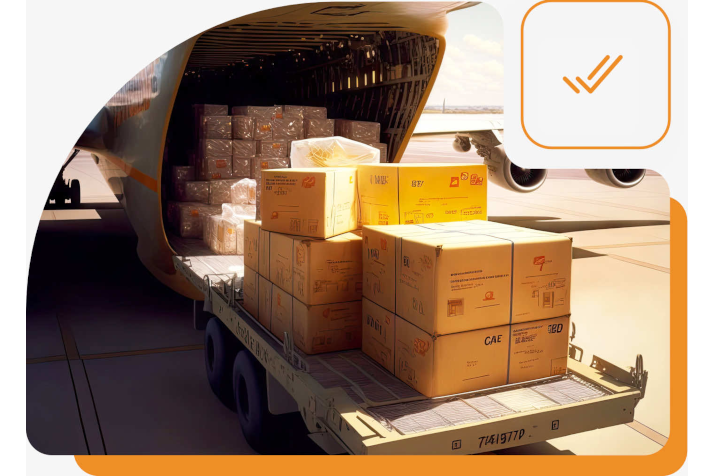
Price table for international courier
Explore our dependable international shipping service for both standard and special parcels, serving numerous European countries. With coverage in over 20 nations, we closely monitor the handling of your shipment by carriers for your peace of mind.
| Country | Courier | Parcel weight | Price |
|---|---|---|---|
| Belgium | GLS | 0-2 kg | 58,89 RON |
| Belgium | GLS | 2-3 kg | 68,50 RON |
| Belgium | GLS | 3-5 kg | 75,71 RON |
| Belgium | GLS | 5-10 kg | 105,76 RON |
| Belgium | GLS | 10-15 kg | 115,38 RON |
| Belgium | DPD | 0-2 kg | 140,08 RON |
| Belgium | DPD | 2-3 kg | 140,08 RON |
| Belgium | DPD | 3-5 kg | 140,08 RON |
| Belgium | GLS | 15-20 kg | 161,05 RON |
| Belgium | GLS | 20-25 kg | 210,33 RON |
| Belgium | GLS | 25-30 kg | 245,18 RON |
| Belgium | Fedex | 0-2 kg | 284,08 RON |
| Belgium | Fedex | 2-3 kg | 284,08 RON |
| Belgium | Fedex | 3-5 kg | 284,08 RON |
| Bulgaria | DPD | 0-2 kg | 28,90 RON |
| Bulgaria | DPD | 2-3 kg | 28,90 RON |
| Bulgaria | GLS | 0-2 kg | 37,25 RON |
| Bulgaria | GLS | 2-3 kg | 42,06 RON |
| Bulgaria | GLS | 3-5 kg | 50,47 RON |
| Bulgaria | GLS | 5-10 kg | 68,50 RON |
| France | GLS | 0-2 kg | 75,71 RON |
| France | GLS | 2-3 kg | 90,14 RON |
| France | GLS | 3-5 kg | 105,76 RON |
| Germany | GLS | 0-2 kg | 58,89 RON |
| Germany | GLS | 2-3 kg | 68,50 RON |
| Italy | GLS | 0-2 kg | 58,89 RON |
Select the destination for your international parcel delivery:
Tailored Courier Offers by Country – With Ecolet’s Courier Comparison Platform,
Discover the Most Affordable and Speedy Shipping Solutions!
 send to Germany |
 send to France |
 send to Italy |
 send to Spain |
 send to Bulgaria |
 send to Netherlands |
All the most popular couriers in one place!
With a wide range of offers and all the most popular couriers gathered
in one place, you can compare prices for any type of shipment!





Request a quote
Fill out the form and we will get back to you!
Your guide to frequently asked questions about international courier services.
Frequently asked questions about international shipping
Sending a parcel abroad with Ecolet is a simple process. Here is a step-by-step guide:
1. Log in to your Ecolet account: Start by logging in to your Ecolet account.
2. Select Recipient Country: Select the destination country from the drop-down menu.
3. Provide Detailed Address Information: Enter the city and zip code of the recipient’s address, along with the exact street and house/apartment number. The phone number and email address are required.
4. Details about the parcel: Specify the dimensions and weight of the parcel you want to send.
5. Select a Courier: Choose from the list of available courier services.
6. Pickup Schedule: When scheduling the pickup date and time, please be mindful of the time. Orders placed around 4:00 p.m. may be scheduled for pickup on the next business day.
7. Order Summary: Review your order summary, including the total amount you need to pay.
8. Initiate Package Shipment: Click on “Send parcel” to confirm your order.
9. Download and Print AWB: After confirming your order, you can download and print the Air Waybill (AWB) provided by Ecolet.
10. Attach the AWB to your parcel: Securely attach the AWB to your package. This document is essential for tracking and identification.
11. Wait for pickup by courier: Once your parcel is ready, wait for the courier to arrive at the scheduled pickup time.
By following these simple steps, you can estimate the price and conveniently send your parcel abroad using the Ecolet platform. If you have any further questions or need assistance, please do not hesitate to contact our support team or your dedicated account manager. We are here to help you every step of the way.
Preparing a shipment for transport, whether domestic or international, involves careful packing and labeling to ensure the safety of the items throughout their journey. Here is a detailed guide on how to do this correctly:
1. Choose the Right Packaging: Packaging plays a crucial role in protecting items during transport. Select packaging materials that suit the nature of the contents. Cardboard boxes, plywood, wood, plastic, and metal containers are all suitable choices, depending on the items being shipped.
2. Customize Packaging Based on Content: Ensure that the packaging is adapted to the shape, size, and fragility of the items inside. The packaging must be designed to withstand mechanical handling and pressure during transport. It should protect the contents from possible damage caused by knocks and shocks.
3. Prevent Leaks and Spills: Properly seal all items inside the package to prevent leaks or spills during shipping, sorting, and handling. It is the shipper’s responsibility to ensure that the package is properly sealed to avoid potential disasters or damage to other shipments.
4. Proper Sealing: Proper sealing is imperative. Use appropriate sealing methods, such as tape, straps, or adhesive, to securely seal the package. This not only prevents leaks, but also helps maintain the integrity of the contents.
5. Protection against Handling Equipment: Consider the entire journey of your shipment, including the use of handling equipment. Ensure that the packaging can withstand mechanical handling, encounters with conveyor belts, sorting machines, and drops from a height of 80 cm.
6. Protection against Weather Conditions: Consider different weather conditions, especially if your shipment will be exposed to the elements. Use weather-resistant packaging or consider adding an extra layer of protection, such as plastic wrap or moisture-absorbing materials.
7. Fragile Items: For fragile items, take extra precautions. Wrap fragile items in materials such as bubble wrap or packing peanuts to cushion them against shocks and vibrations. Clearly label the package with “Fragile” labels to warn handlers to handle it with care.
By following these detailed guidelines, you can ensure that your shipments are properly prepared for transport. Proper packaging and labeling not only protects your items, but also contributes to a more efficient shipping process. Remember, well-prepared shipments are less likely to encounter problems during transport, benefiting both shippers and recipients.
When it comes to international shipping, certain items and goods are strictly prohibited for various reasons, including safety, legal, and environmental reasons. Here is an extensive list of items that cannot be shipped overseas:
1. Hazardous Materialse (According to the ADR Agreement): International regulations, particularly the ADR Agreement, prohibit the shipment of hazardous materials. These materials can pose serious risks during transport. Examples include explosives, toxic substances, flammable gases, and radioactive materials.
2. Perishable Goods: Perishable items, such as fresh food and certain biological materials, are generally prohibited from international transport due to the risk of spoilage and contamination during transit.
3. Firearms or Dismantled Weapons, Ammunition: Firearms, weapons, and ammunition are often subject to strict regulations and restrictions in international transport. Shipping them abroad without proper authorization is generally prohibited.
4. Valuable Goods: High-value items, including but not limited to jewelry, precious metals, furs, works of art, and collectible coins, are typically prohibited for international shipping due to the risk of theft and damage.
5. Medicines and Tobacco: Controlled substances, prescription drugs, and tobacco products are subject to strict international regulations. Shipping these items across borders without the proper documentation is prohibited.
6. Classification of Dangerous Goods (According to the ADR Agreement): The ADR Agreement classifies dangerous goods into various categories, each with specific restrictions. These categories include explosive substances, flammable gases, toxic materials, corrosive substances, and others. A comprehensive list of these categories can be found in the ADR Agreement.R.
7. Other Items and Goods Prohibited for Transport: In addition to the hazardous materials and items mentioned above, international transport also prohibits the following:
- Dead or live animals
- Human remains, including ashes
- Human organs
- Explosive materials and toxic gases
- Waste
- Precious stones, precious metals (jewelry and bars)
- Money, check, credit cards, postage stamps, valid phone cards
- Works of art and antiques
- Car batteries
- Medicines and controlled substances
- Tobacco products
It is crucial to adhere to these restrictions when preparing an international shipment to ensure compliance with international laws and regulations. Violating these rules can result in legal consequences and the confiscation of prohibited items during customs inspections. Always check the specific restrictions and requirements for the destination country before sending an international shipment.
This detailed guide provides valuable information about items that cannot be shipped overseas, helps you make informed decisions when shipping internationally, and ensures the safety and legality of your shipments.
When sending valuable goods via a shipping service, you may wonder why you are asked to complete a declaration of value. This essential document plays a crucial role in ensuring the safety and proper handling of your valuable goods throughout the shipping process. Let’s explore the details:
1. Protecting Your Investment: Valuable items often have significant financial or sentimental value. Whether you are sending precious jewelry, artwork, collectibles, or other high-value items, it is essential to protect your investment. A declaration of value serves as proof of the item’s value, which can be invaluable in the event of loss, theft, or damage during transit.
2. Accurate Insurance Coverage: Carriers generally provide insurance coverage based on the declared value of the contents. By providing an accurate value declaration, you ensure that your valuable goods are properly insured. In the unfortunate event of loss or damage, you will be eligible for compensation up to the declared value, helping you recover your financial losses.
3. Legal Compliance: Completing a declaration of value is not only a requirement of carriers; it may also be a legal requirement. Various countries and international regulations require valuable goods to be accompanied by a declaration of their value. Failure to comply with these regulations can lead to customs issues and potential legal consequences.
4. Fast Customs Clearance: When shipping valuable goods internationally, customs authorities may request documentation that includes the declared value. Accurate declarations help facilitate the customs clearance process, reducing delays and ensuring that your shipment reaches its destination without unnecessary issues.
5. Additional Security Measures: Carriers implement additional security measures for high-value goods. By declaring the value of the goods, you signal to the carrier that special attention is required. This may include additional tracking, secure storage, and strict handling procedures to protect the shipment.
6. Peace of mind: Perhaps the most important benefit of completing a declaration of value is the peace of mind it provides. Knowing that your valuable goods are properly documented, insured, and protected throughout their journey provides confidence and security in the shipping process.
In short, a declaration of value is an essential component when shipping valuable goods. It protects your investment, provides accurate insurance coverage, complies with legal requirements, facilitates customs clearance, improves security, and ultimately gives you peace of mind. By taking the time to declare the value of your valuable goods, you are taking proactive steps to ensure they arrive safely at their destination.
Be sure to consult your account manager for specific guidelines and requirements regarding the declaration of value for your goods.